Biography
Early Life
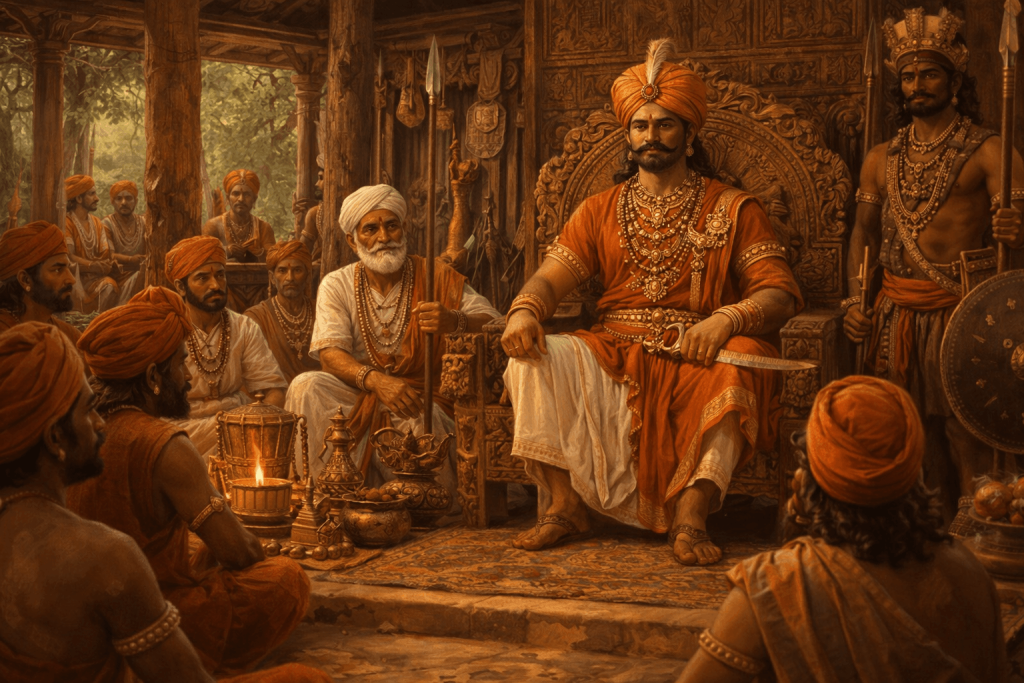
Raghunath Shah was born into the prestigious Gond tribal royal lineage in Central India, where leadership, cultural responsibility, and community protection were deeply rooted traditions. From a young age, he was surrounded by the rich heritage of the Gond community, which emphasized respect for nature, unity among tribes, and preservation of ancestral customs. His childhood was shaped by stories of bravery, tribal governance, and the importance of safeguarding land and identity.
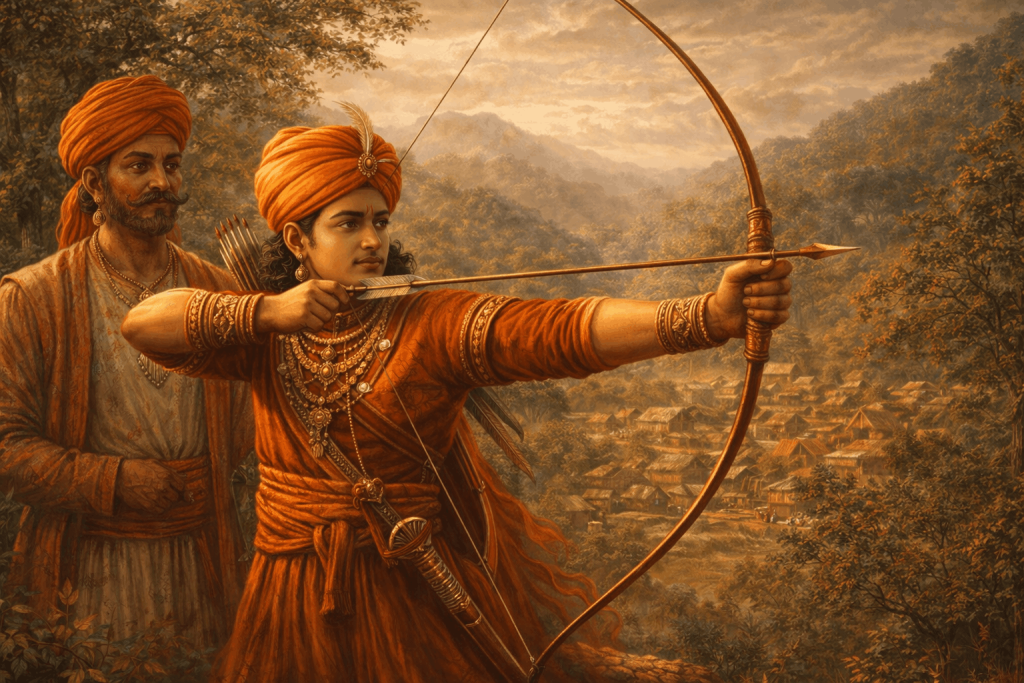
Growing up within a royal household, Raghunath Shah received training in traditional administration, conflict resolution, and warrior skills that prepared him for future leadership. Elders and tribal mentors played a significant role in shaping his character, teaching him the importance of justice, courage, and responsibility toward his people. He also developed a strong emotional connection with the struggles of tribal communities, witnessing the challenges they faced due to external pressures and changing political landscapes.
Cultural & Royal Background
The royal Gond heritage that shaped Raghunath Shah’s leadership, values, and commitment to tribal welfare and self-governance.
Rise as a Resistance Leader
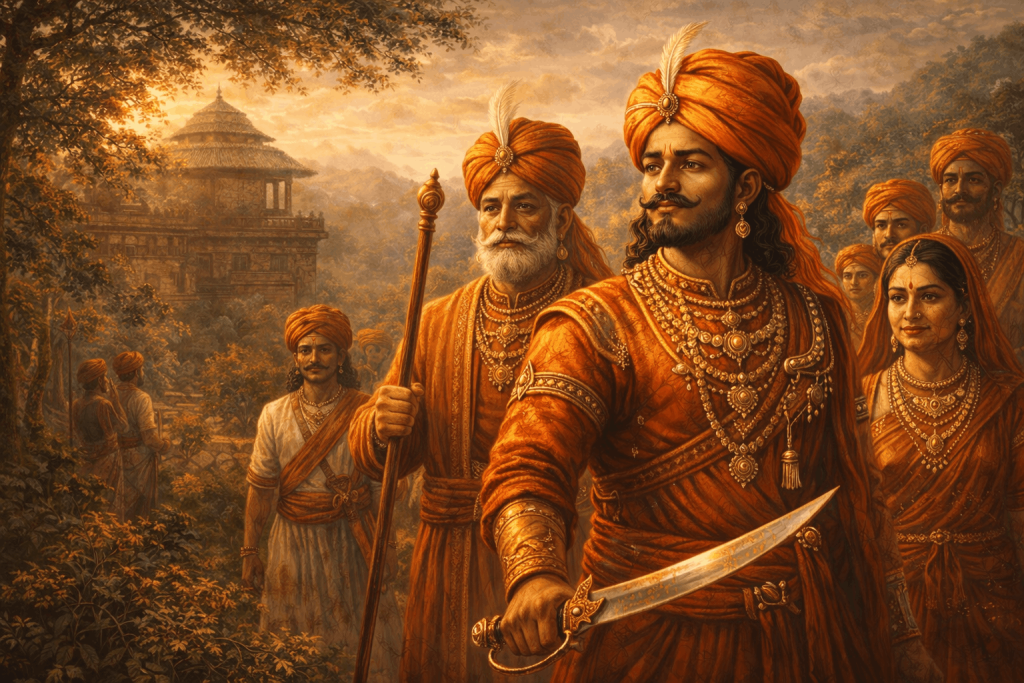
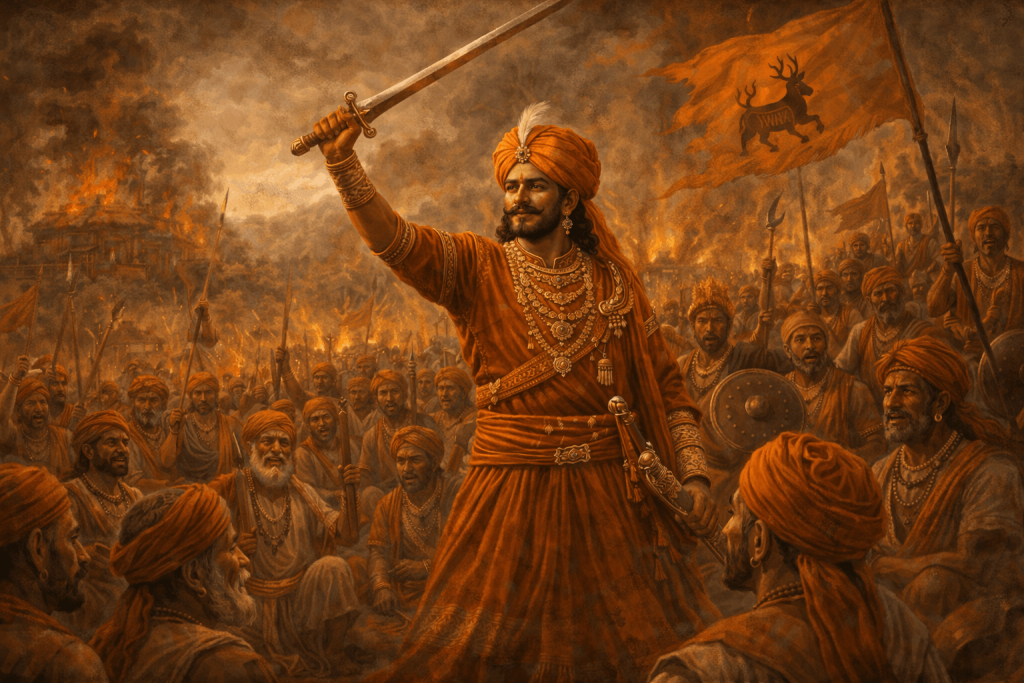
The emergence of Raghunath Shah as a unifying force who inspired tribal resistance against colonial expansion and protected indigenous self-governance.
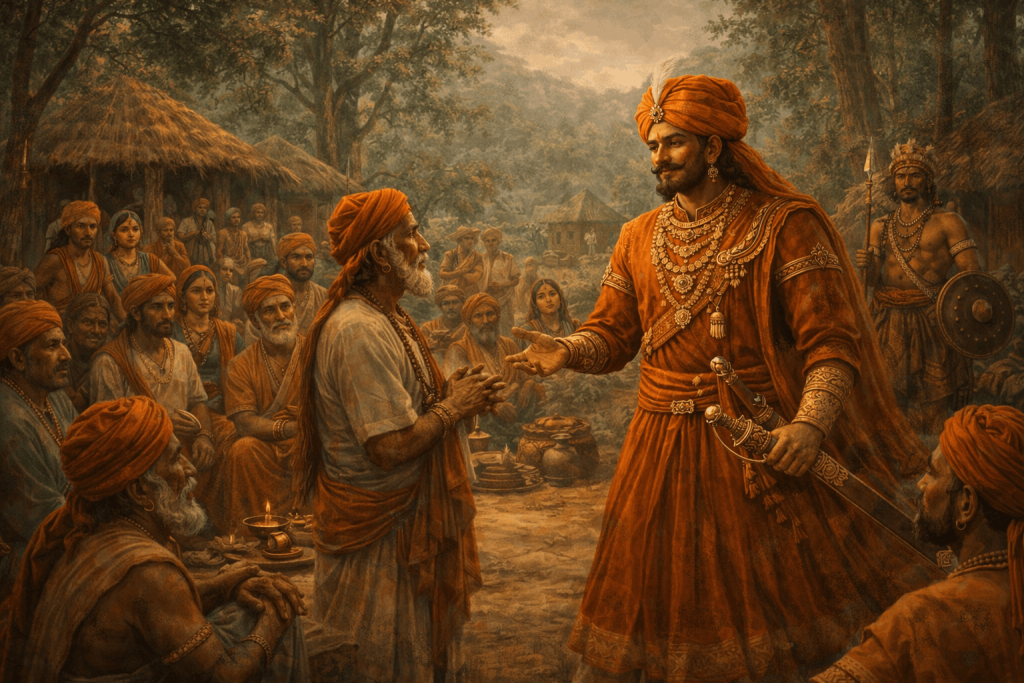
As British colonial expansion began to threaten tribal autonomy and traditional governance, Raghunath Shah emerged as a powerful resistance leader among the Gond communities. His deep understanding of tribal customs, combined with his courage and vision, enabled him to rally tribal warriors and elders under a united cause. He spoke strongly against colonial exploitation, land seizures, and interference in tribal self-rule.
Raghunath Shah’s leadership inspired unity across tribal regions, transforming scattered opposition into organized resistance movements. Through strategic planning, motivation, and unwavering determination, he strengthened the spirit of defiance among his people. His role during this period marked a turning point in tribal resistance, establishing him as a symbol of leadership, courage, and the fight for indigenous freedom.