
Tribal Resistance Movement
What Was the Movement?
The resistance movement led by Raghunath Shah emerged during the 19th century, a time when British colonial authorities were rapidly expanding their control over tribal territories across Central India. The colonial administration introduced strict policies that directly affected tribal communities. These included heavy taxation, forced revenue collection, and the seizure of ancestral lands that had been protected and cultivated by tribal people for generations. The British also attempted to dismantle traditional tribal governance systems, replacing them with foreign administrative structures that ignored indigenous customs, laws, and leadership. These changes created severe hardship for tribal communities. Many lost control over their forests, agricultural lands, and natural resources, which were essential for their survival and cultural practices. Traditional systems of leadership and community decision-making were weakened, causing social disruption and economic struggles. Tribal people were also subjected to exploitation, unfair taxation, and restrictions on their way of life, which threatened their identity and independence.
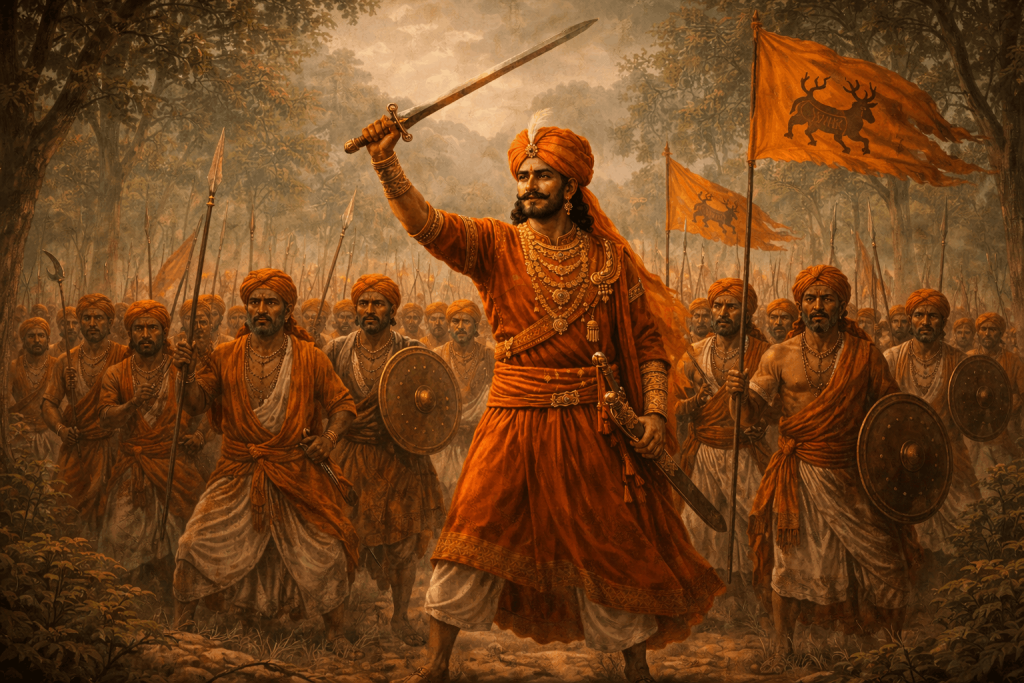
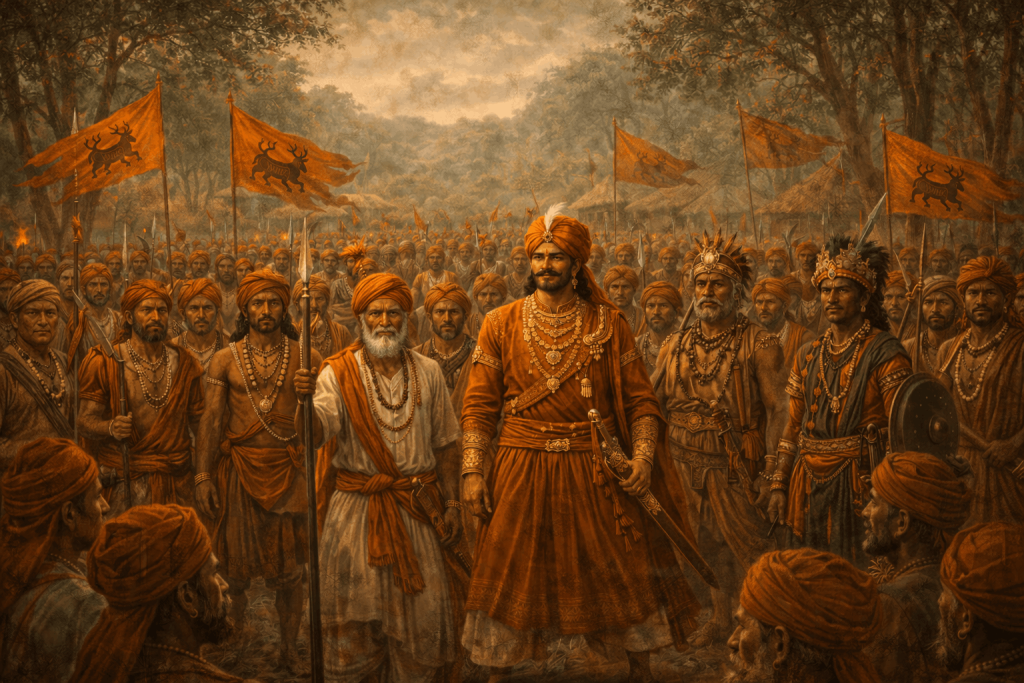
In response to these injustices, Raghunath Shah rose as a determined leader who united tribal warriors, village leaders, and local communities. He encouraged people to stand together and resist colonial authority through organized movements and community mobilization. His leadership emphasized unity, courage, and the protection of tribal dignity. He inspired people through his strong belief in justice, cultural preservation, and the right to self-governance. The movement led by Raghunath Shah was not just a rebellion against colonial rule but also a broader struggle to defend tribal culture, heritage, and social systems. It highlighted the determination of indigenous communities to protect their land and traditions from external control. His resistance became a powerful symbol of tribal pride and courage, inspiring future generations to remember the sacrifices made to protect their identity and freedom.
Although the movement faced strong opposition from British authorities, Raghunath Shah’s leadership left a lasting impact on tribal resistance history. His efforts strengthened the spirit of unity among tribal communities and reinforced the importance of preserving indigenous rights, culture, and governance. Even today, his resistance movement is remembered as a significant chapter in India’s freedom struggle and a testament to the bravery of tribal leaders who fought for justice and self-respect.
Objectives of the Movement
Defining the core goals behind Raghunath Shah’s resistance to protect tribal rights, culture, and independence from colonial rule.

Land & Forest Protection
Defending ancestral tribal lands and forest rights.

Against Exploitation
Resisting colonial injustice and forced taxation.

Cultural Preservation
Safeguarding tribal traditions and self-governance.

Freedom Struggle
Fighting for independence from foreign rule.
Role of Raghunath Shah
Leadership, unity, and courage that shaped the tribal resistance against colonial rule.
Mobilized Tribal Warriors & Leaders
Raghunath Shah played a crucial role in bringing together tribal warriors, village chiefs, and community elders to form a united front against colonial rule. Recognizing that unity was essential for effective resistance, he traveled across tribal regions, encouraging communities to stand together and protect their land, culture, and rights. His strong leadership and inspiring
Led Resistance Efforts Against British Forces
Raghunath Shah played a vital leadership role in organizing and directing resistance against British colonial forces. He guided tribal warriors and local leaders in defending their territories from colonial expansion and exploitation. Through careful planning and strong determination, he encouraged communities to stand firmly against unjust policies imposed by British authorities.
Promoted Unity Among Indigenous Communities
Raghunath Shah strongly believed that unity was the greatest strength of tribal communities. He worked tirelessly to bring together different tribes, village leaders, and local warriors who shared common challenges under colonial rule. By encouraging cooperation and mutual support, he helped reduce divisions among tribal groups and strengthened their collective resistance.
Strengthened Tribal Identity and Cultural Pride
Raghunath Shah played a significant role in reinforcing the cultural identity and self-respect of tribal communities. He encouraged people to value their traditions, customs, and ancestral heritage during a time when colonial policies threatened to weaken indigenous culture and social systems. By promoting traditional practices, community rituals, and tribal governance.
Impact
Raghunath Shah’s leadership played a crucial role in strengthening regional tribal uprisings against colonial rule. His courage, vision, and commitment to protecting tribal rights inspired many indigenous communities to stand against injustice and exploitation. By uniting tribal warriors and promoting cultural pride, he created a strong foundation for organized resistance.
His efforts influenced future tribal movements across various regions, encouraging generations to fight for their rights, preserve their cultural heritage, and protect their ancestral lands. His legacy continues to serve as a powerful symbol of bravery, unity, and indigenous resistance in India’s freedom struggle history.